

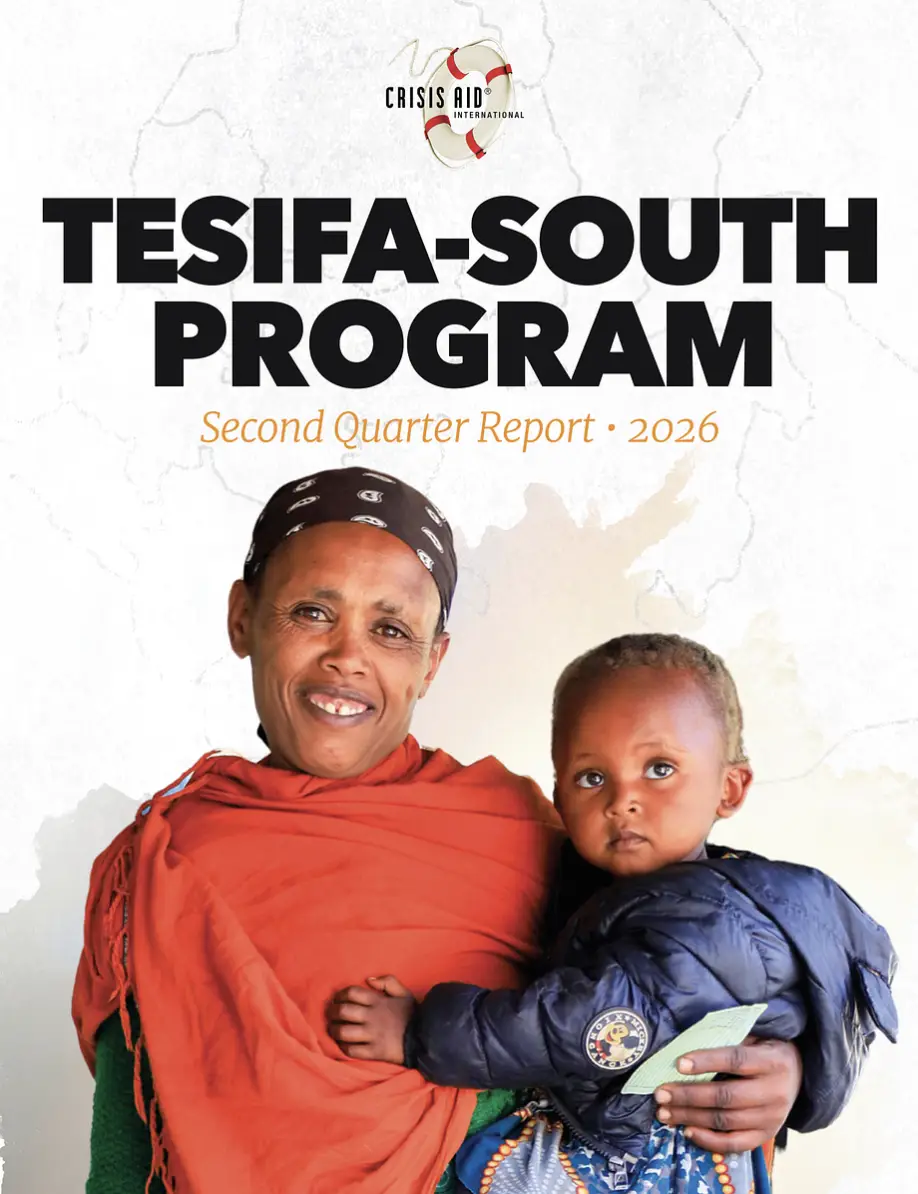
Tesifa South | Q2 2026 Impact Report
Explore how Crisis Aid’s Tesifa South Generations Project in East Africa is transforming communities through lifesaving healthcare, nutrition, agriculture and sustainable economic opportunities.
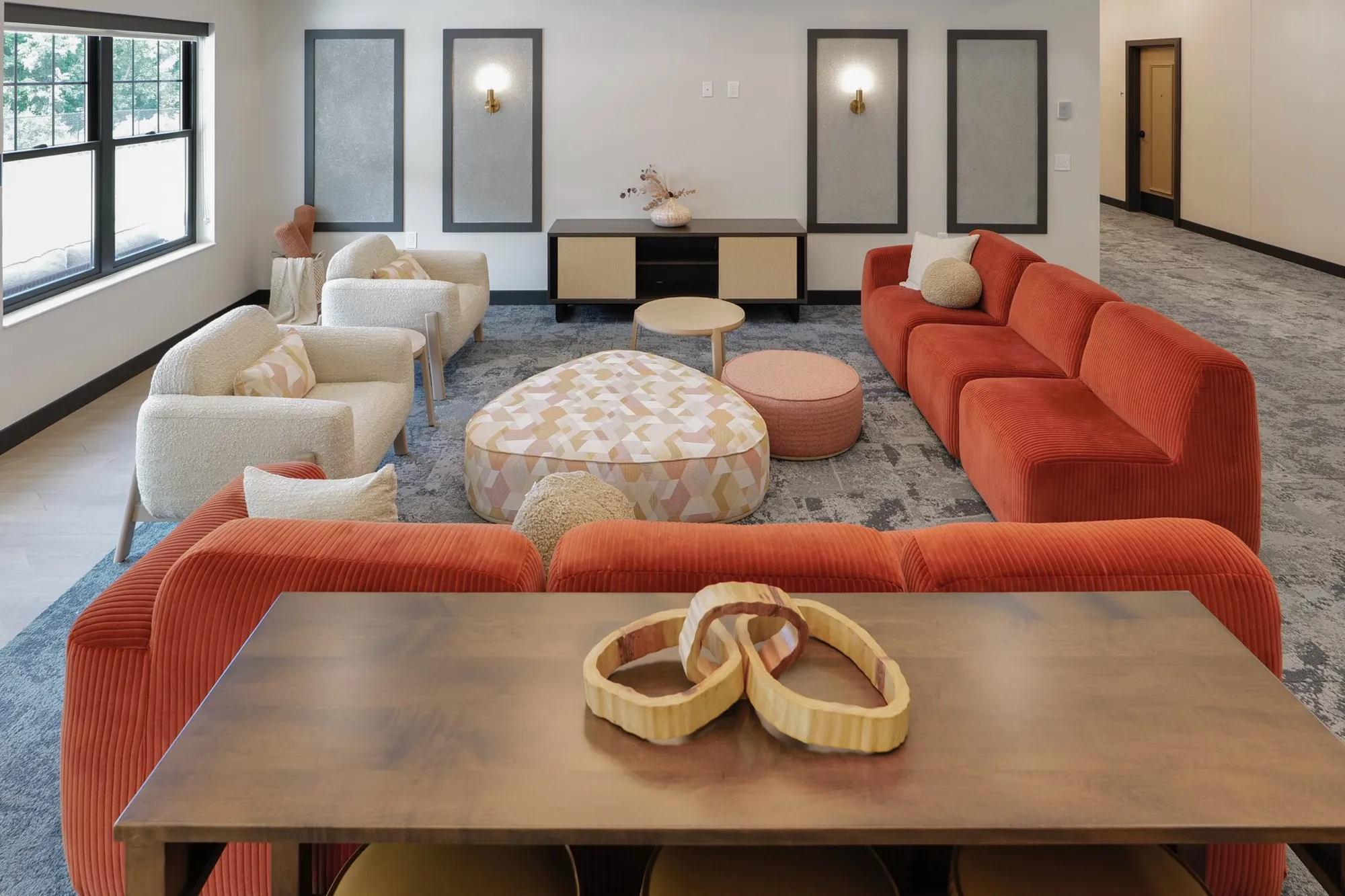
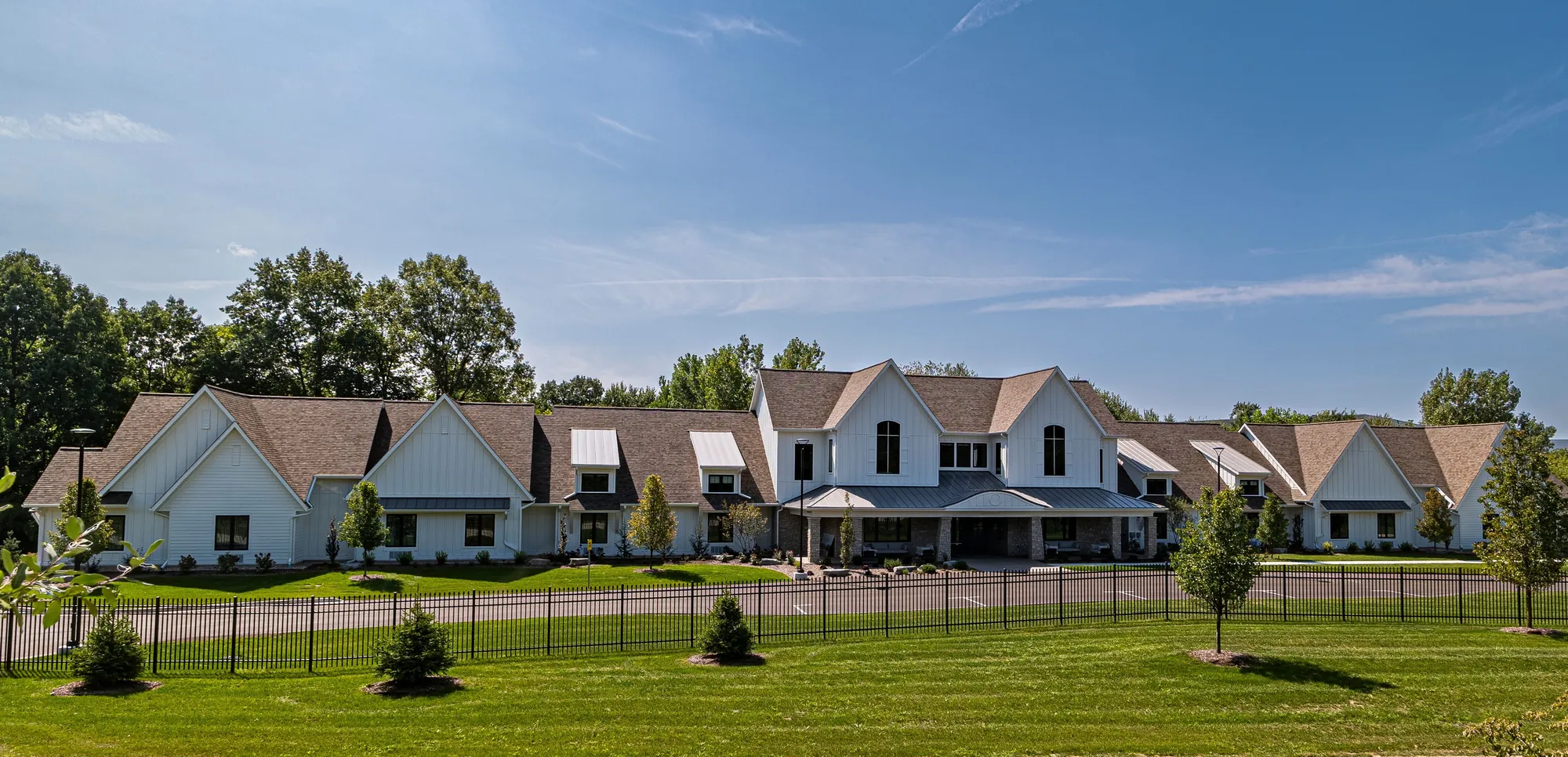
The Crisis Aid House of Hope Refuge Home, built on faith-based principles, offers services ranging from emergency assistance to transitional living.
Help survivors of exploitation and trafficking
Human trafficking is far more widespread than most people realize. Since its inception in 2007, the U.S. National Human Trafficking Hotline has identified 127,938 cases of human trafficking, involving 268,723 victims. Experts believe those figures capture only a small share of what’s actually happening.
For survivors who manage to escape, getting out is only the first step. Without a safe place to land, many face homelessness, isolation, and the very real risk of being pulled back into exploitation. Federal and local experts alike have pointed to a serious shortage of residential programs that give survivors the time, safety, and support they need to recover.
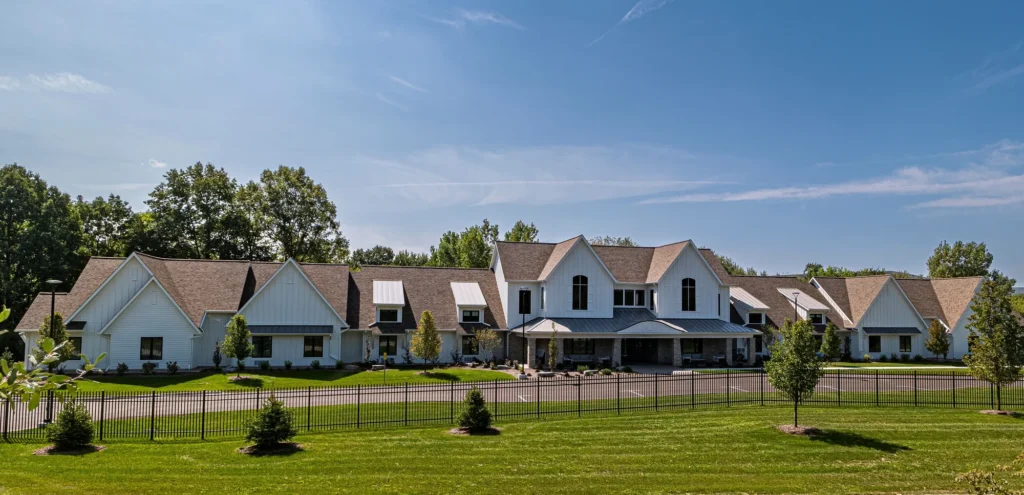
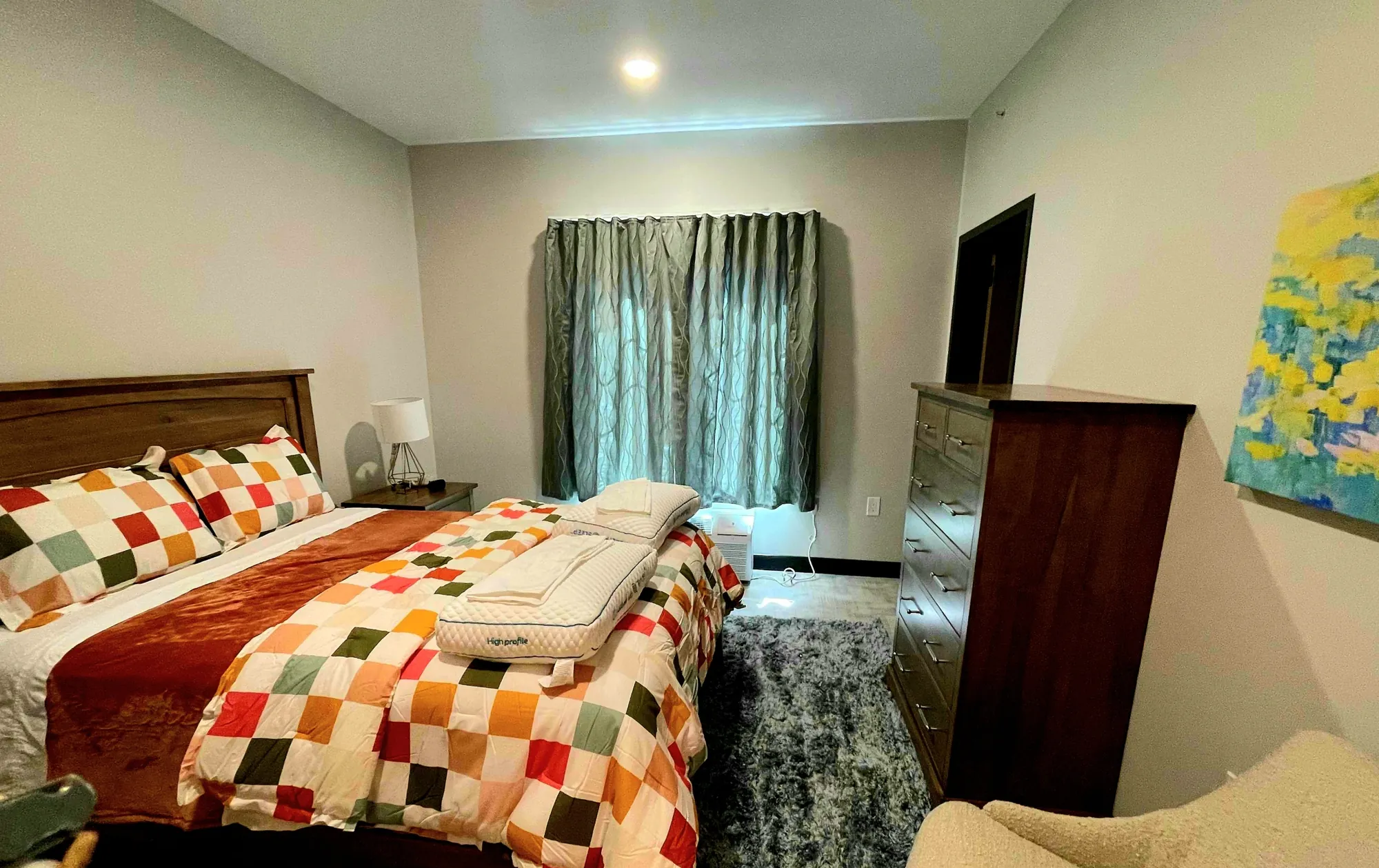
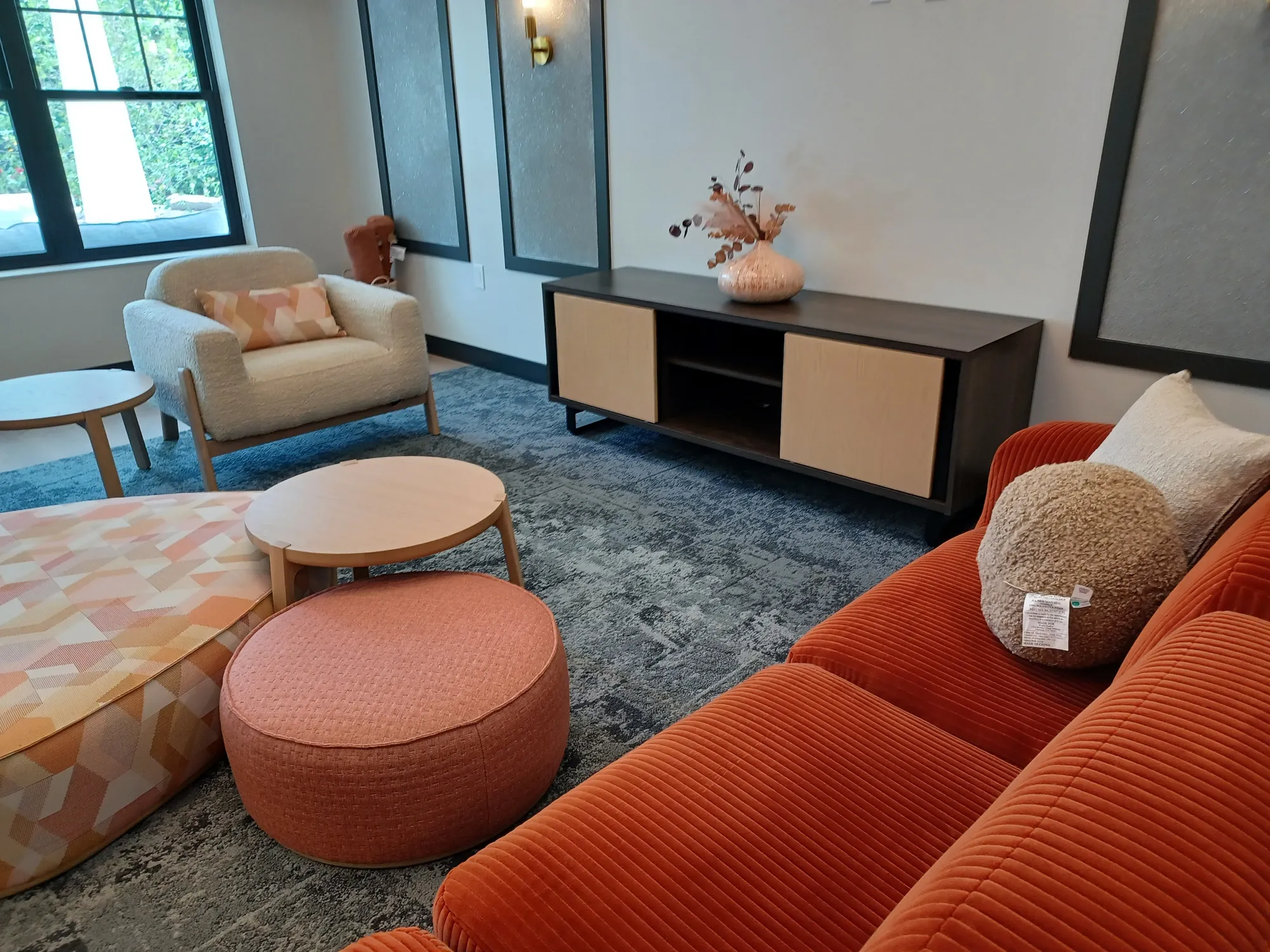
Crisis Aid’s House of Hope was created to fill that gap. Located in Michigan, the 20,000-square-foot refuge home offers a warm, healing environment for up to 20 trafficked girls and young women. Every resident has her own private bedroom and bathroom, designed with calming colors and lighting to create a sense of peace and security after trauma. Survivors can stay in emergency shelter for up to three months or enter the transitional living program for six months to two years, giving them room to stabilize at their own pace rather than being rushed before they’re ready.
Healing at House of Hope goes well beyond a roof and a bed. Each resident meets weekly with a case manager and has access to individual and group trauma counseling to address the emotional and psychological wounds trafficking leaves behind. Alongside that care, survivors build practical skills for independence through life skills training including financial literacy, education, and job readiness support. The goal is holistic recovery: helping each woman not only heal from what she’s been through, but build a stable, self-sufficient future. All of these services are provided completely free of charge.
House of Hope is backed by deep experience. Since 2002, Crisis Aid has helped more than 12,388 trafficking survivors and exploited children in the U.S. and around the world, drawing on a team with over 250 years of combined experience in trafficking victim response. The home follows best-practice guidelines from the federal Office for Victims of Crime. For survivors searching for a way forward, House of Hope offers exactly what its name promises.
Explore how Crisis Aid’s Tesifa South Generations Project in East Africa is transforming communities through lifesaving healthcare, nutrition, agriculture and sustainable economic opportunities.
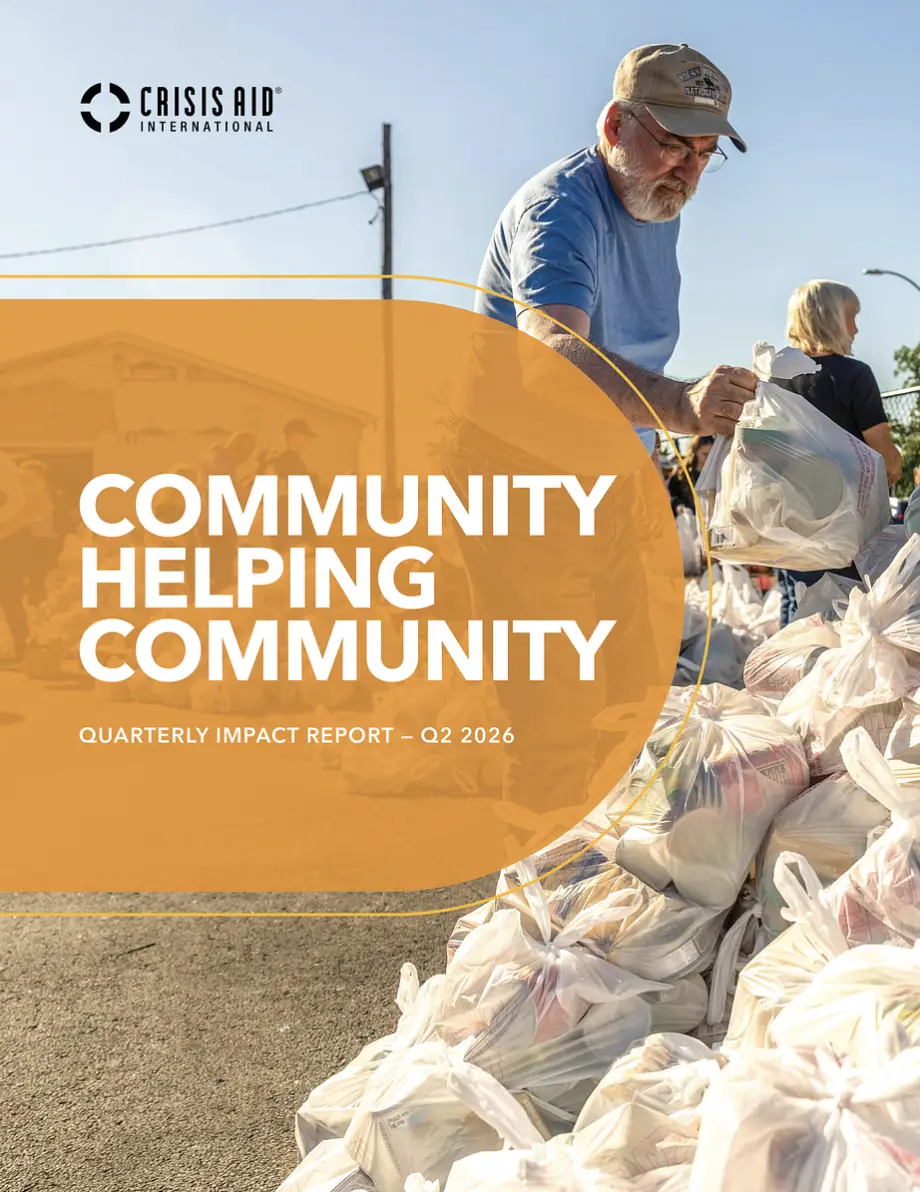
See how Crisis Aid is partnering with local churches, schools and organizations to provide food, practical resources and hope to families and individuals throughout the St. Louis area.
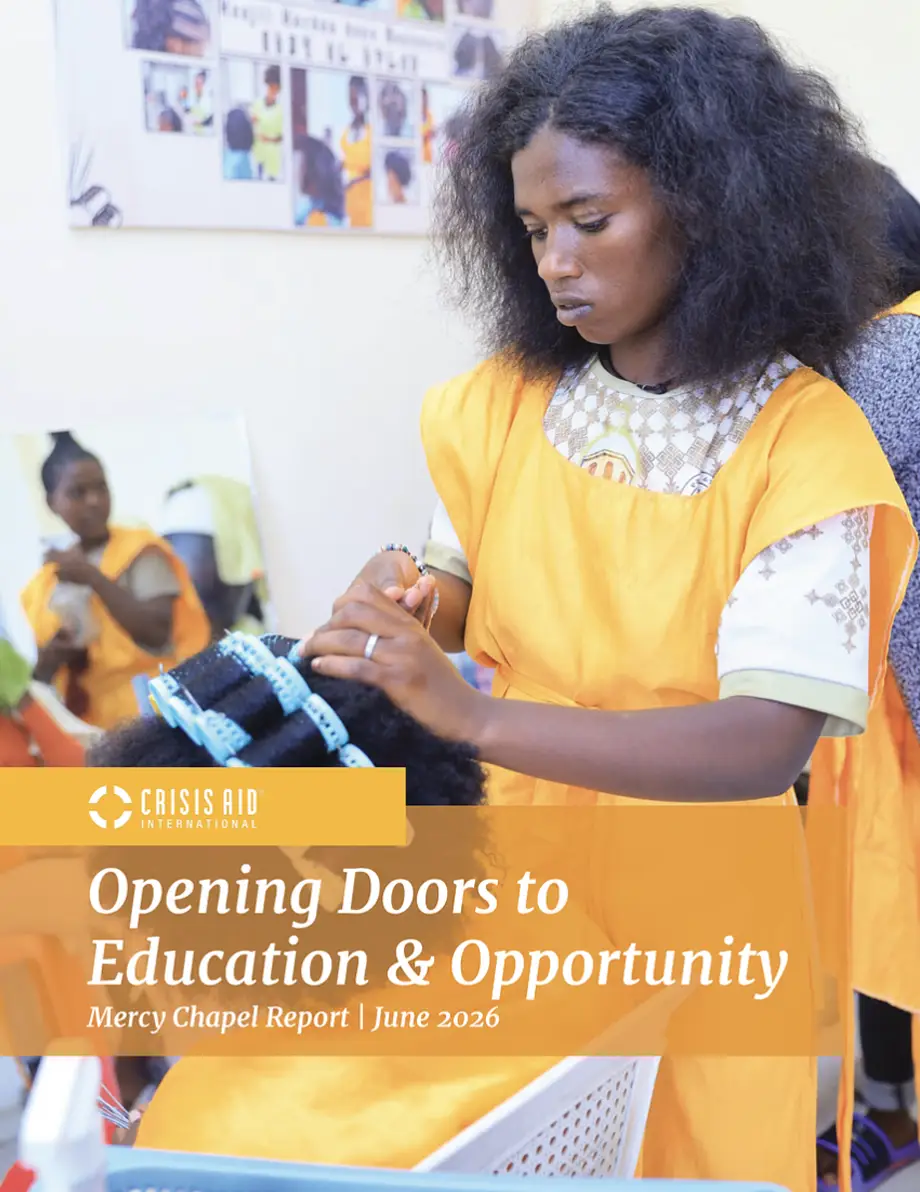
Discover how Crisis Aid’s Mercy Chapel in East Africa is helping survivors of trafficking and exploitation heal, develop vocational skills and gain the confidence to build independent futures.
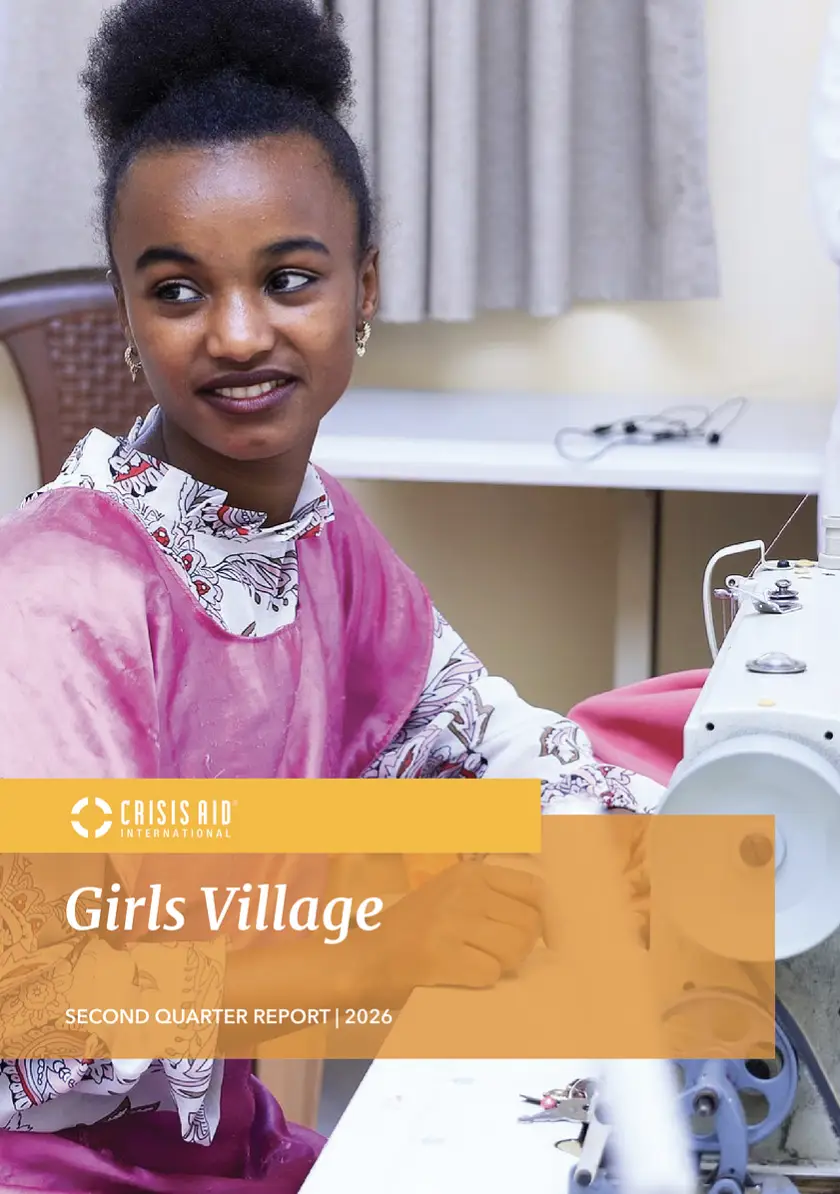
Discover how Crisis Aid’s Girls Village in East Africa is helping survivors of trafficking and exploitation find safety, healing and opportunities to build independent, hope-filled futures.